November 2026 DQ Superstars Shows Books Interviews Etc.
DQ Superstars
NYC SHOWS, NEW BOOK RELEASES, & INTERVIEWS
DQ Superstars is a monthly round up of recent news from artists, writers, publishers, and curators in our milieu.
Have something you want to share? Tell us about it: rachel@zingmagazine.com.
Ester Partegàs at Garth Greenan
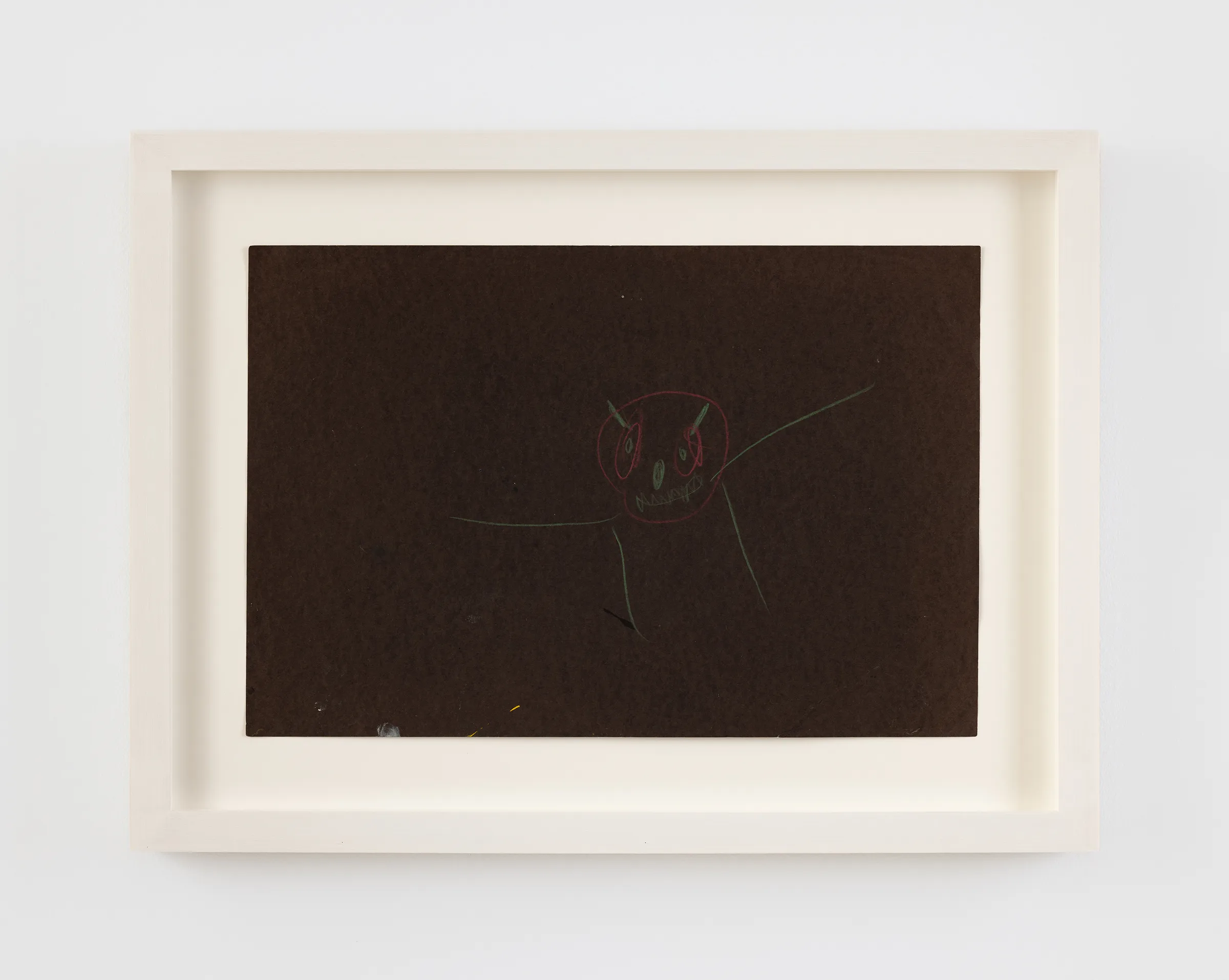
Dan Asher at Martos has been extended to December 5. Go see this cute 'lil Untitled guy if you haven't yet.
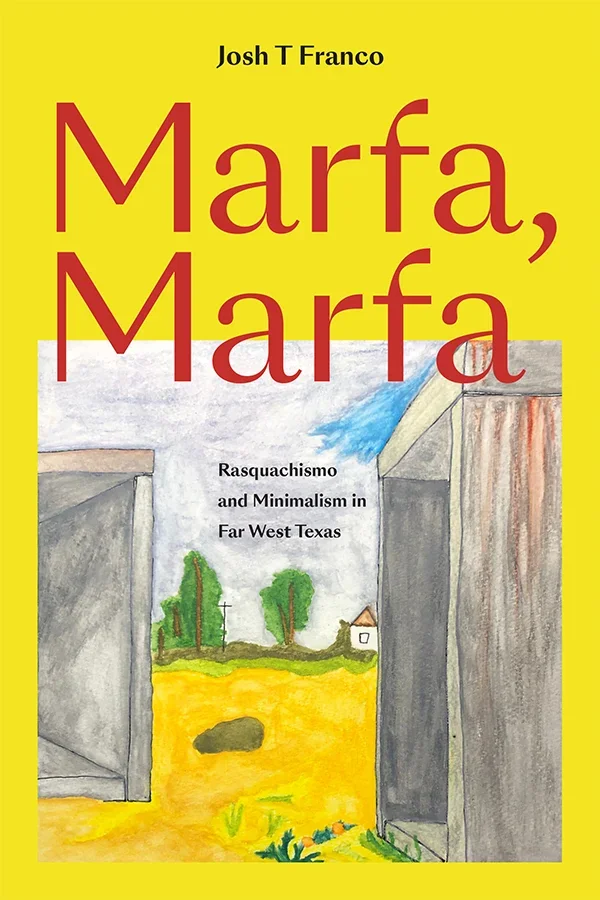
Josh T Franco published a new book from Duke Press.
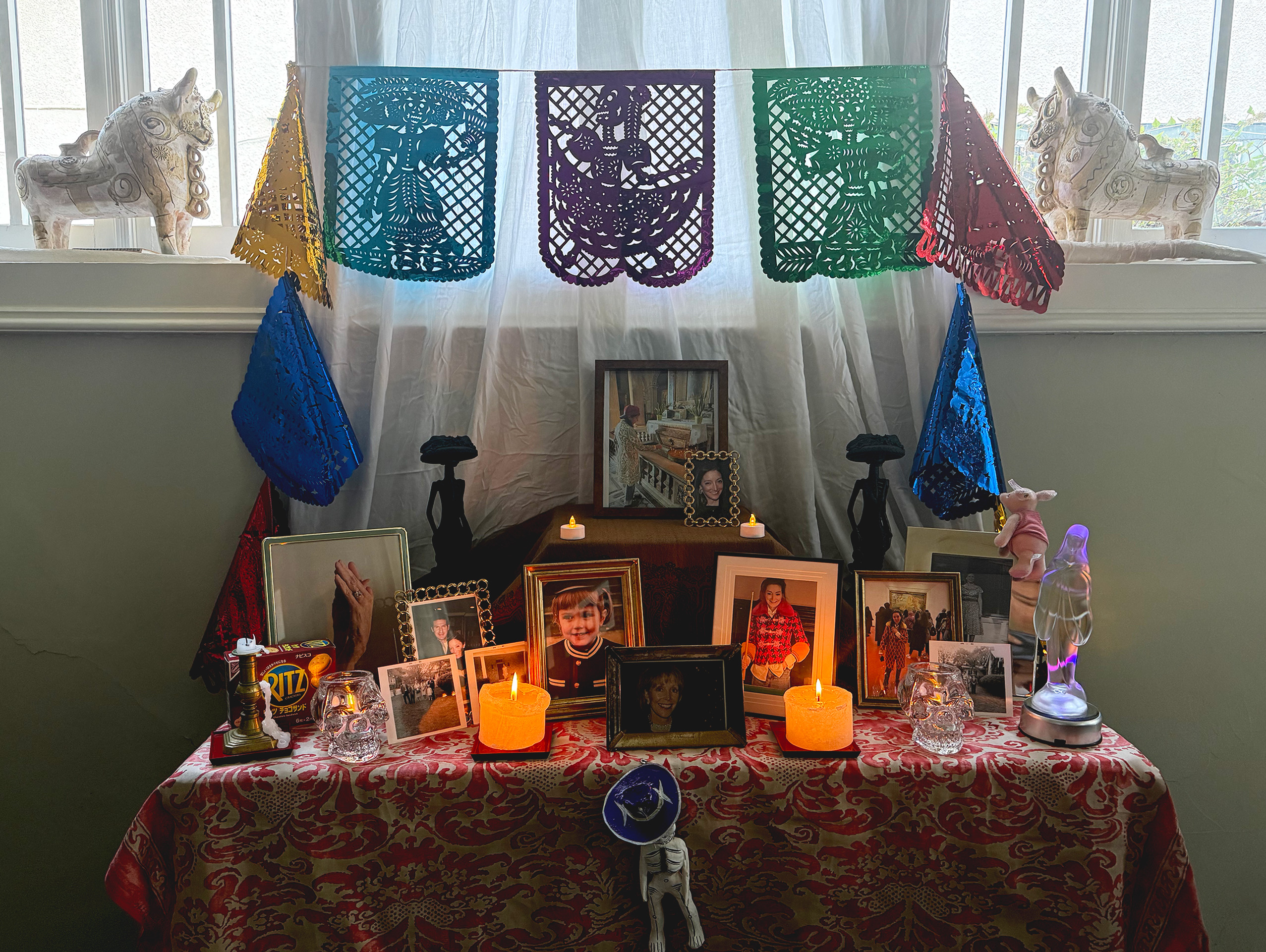
Memorial altar for Devon Dikeou made by the artist's husband, Fernando Troya, at their Austin, Texas home, 2026.
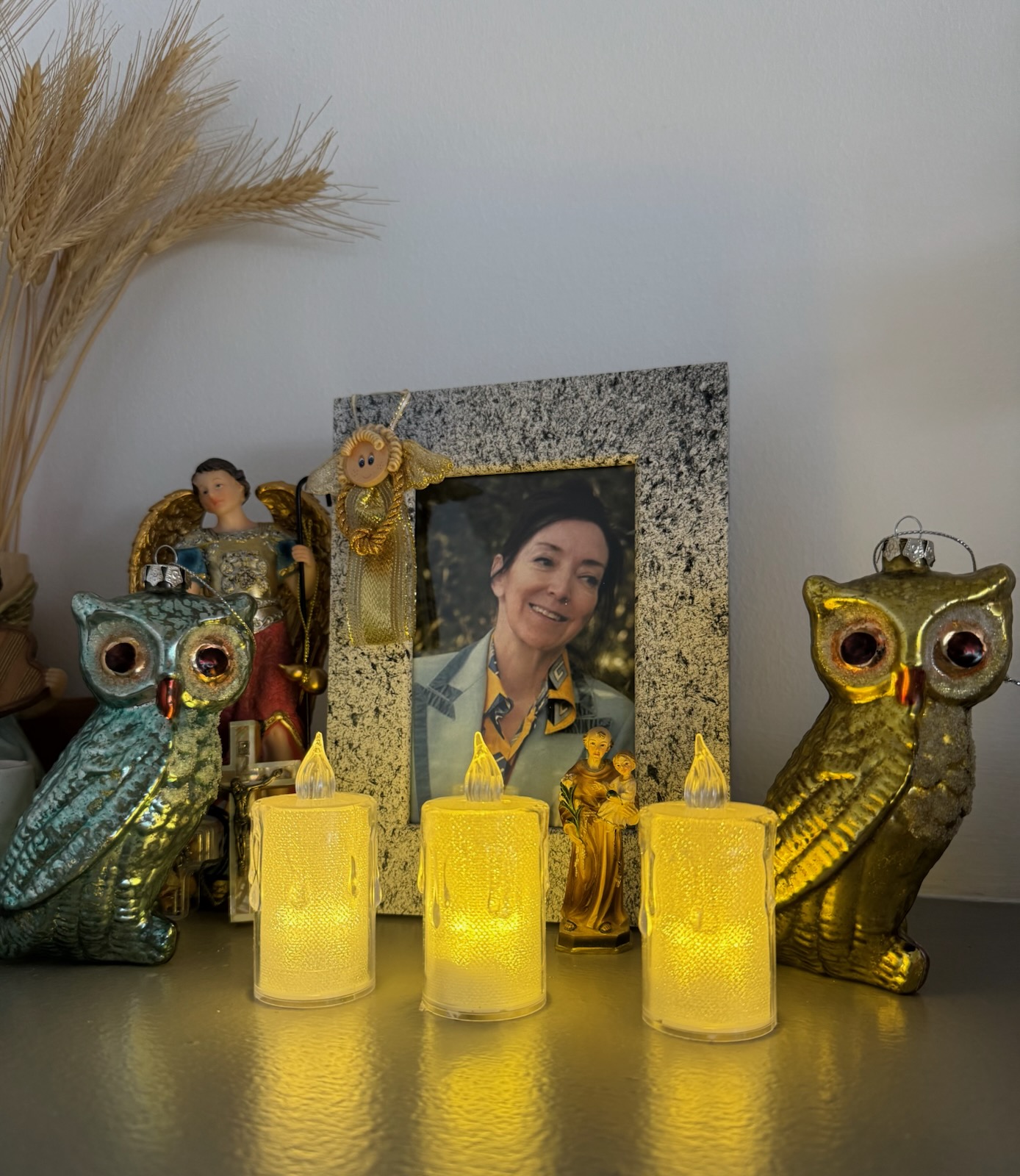
Memorial altar for Devon Dikeou made by the artist's sister-in-law, Charo Troya, Ecuador, 2026.
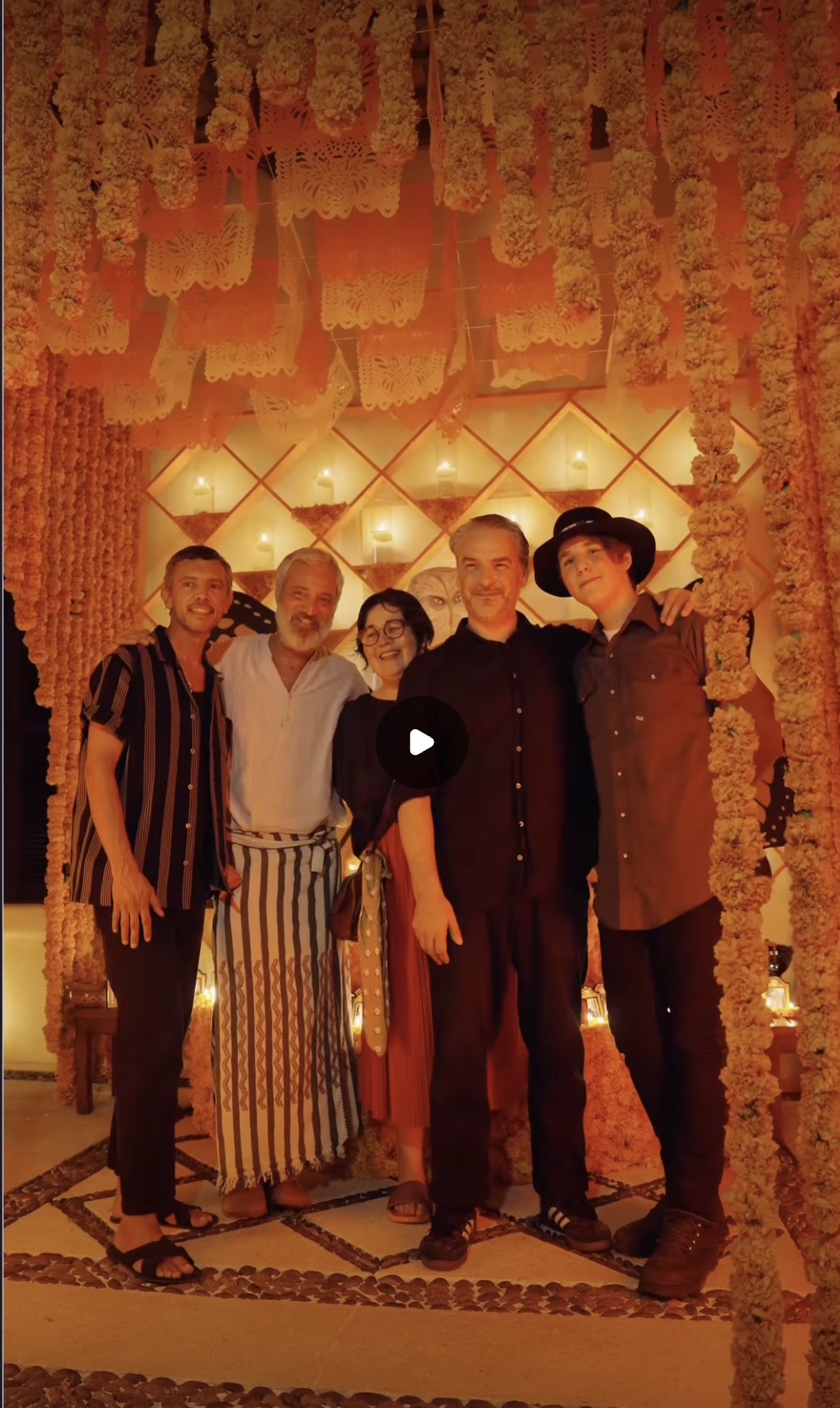
Marcel Dzama threw a party in Mexico.
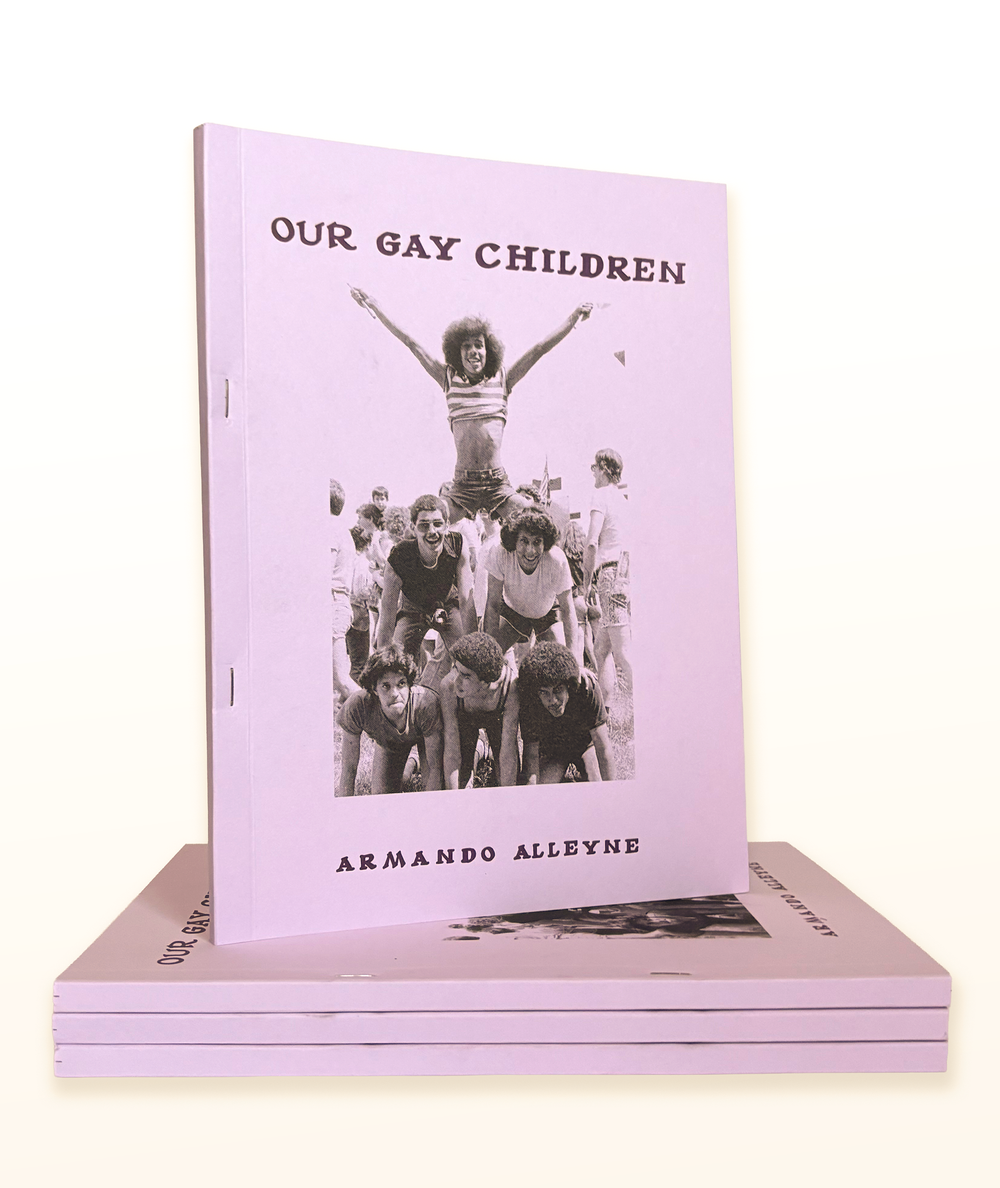
A new release from Almighty & Insane Books
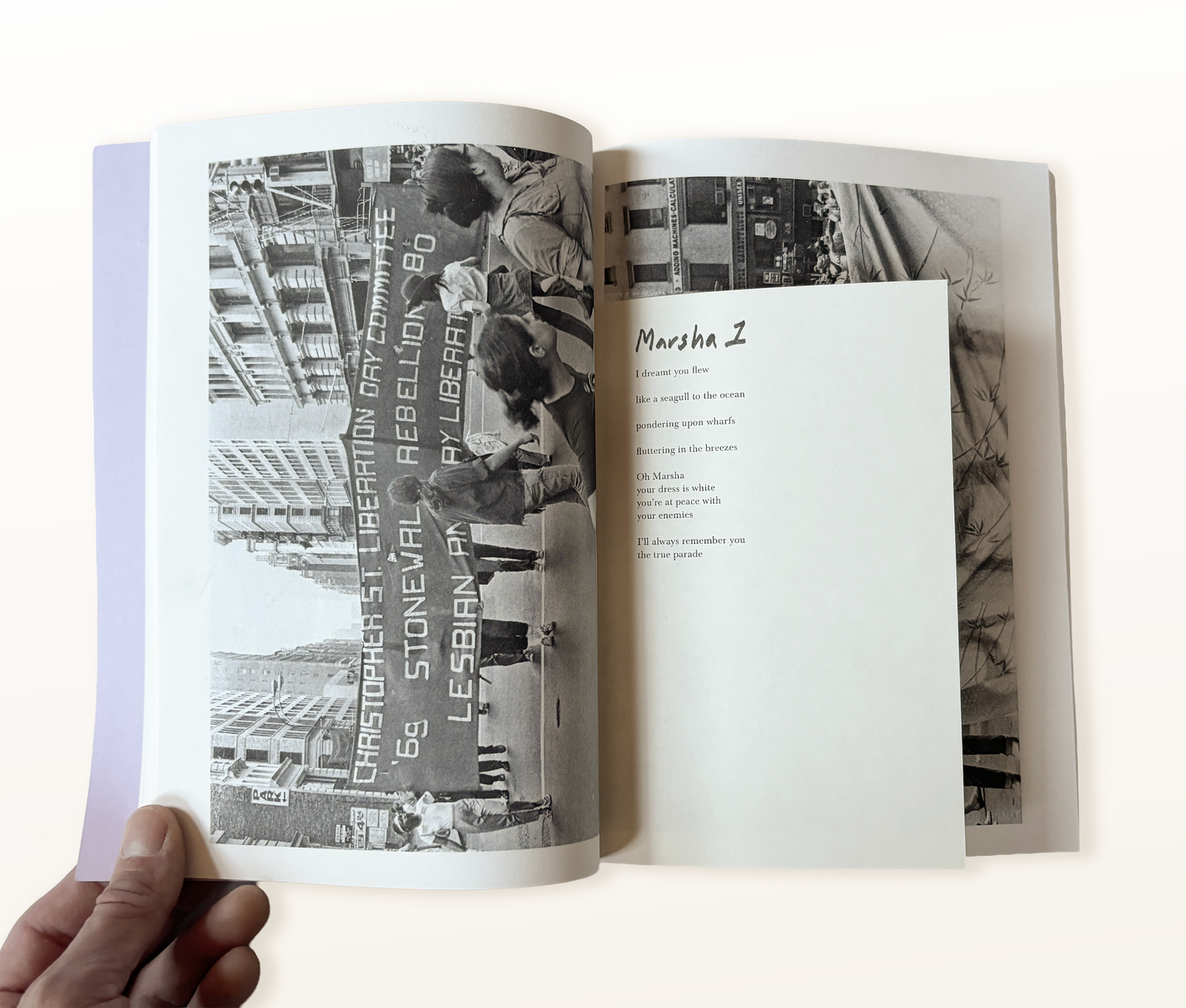
Our Gay Children, Walk-Up Editions from Almighty & Insane Books, 2026
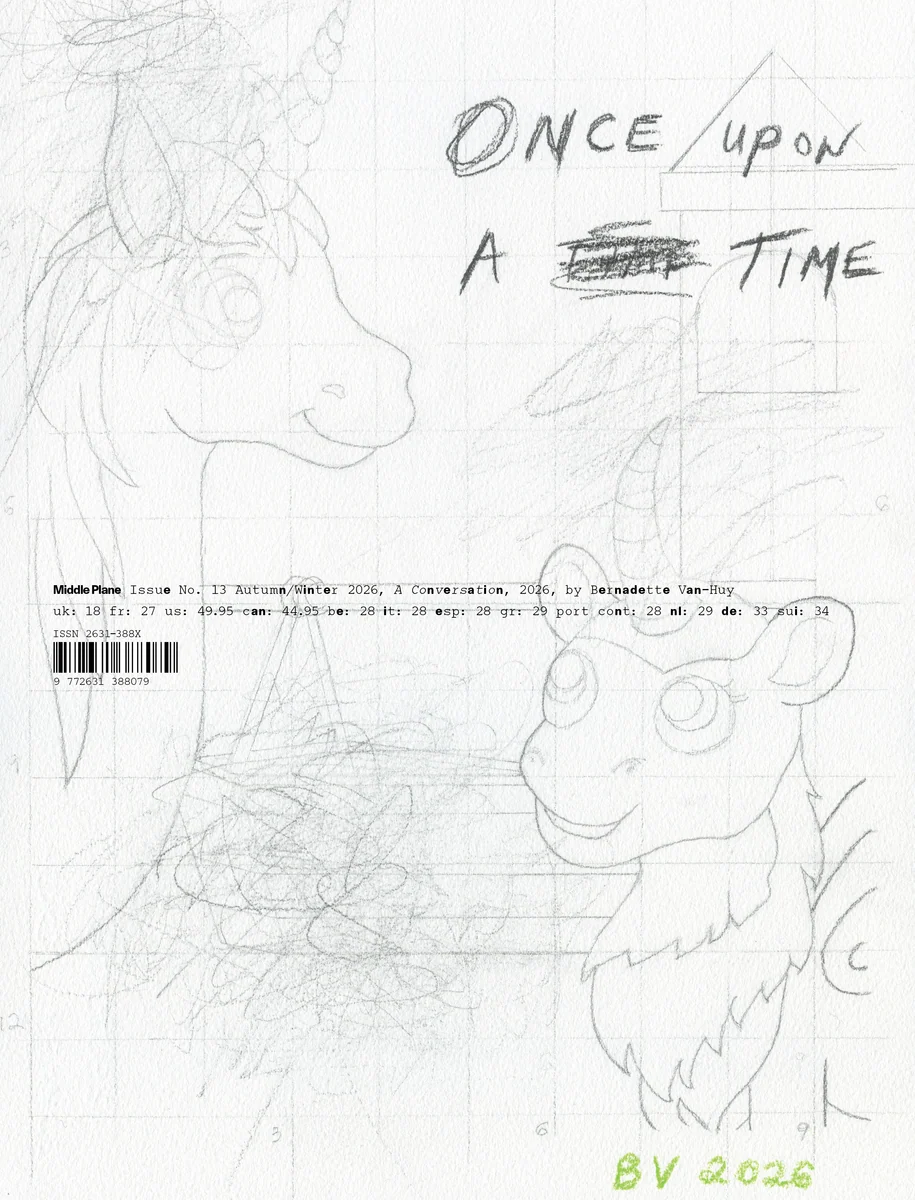
Lizzi Bougatsos gave an interview.
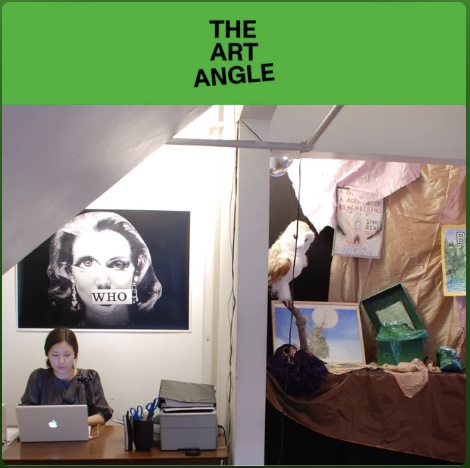
Sarah VanDerBeek gave an interview.
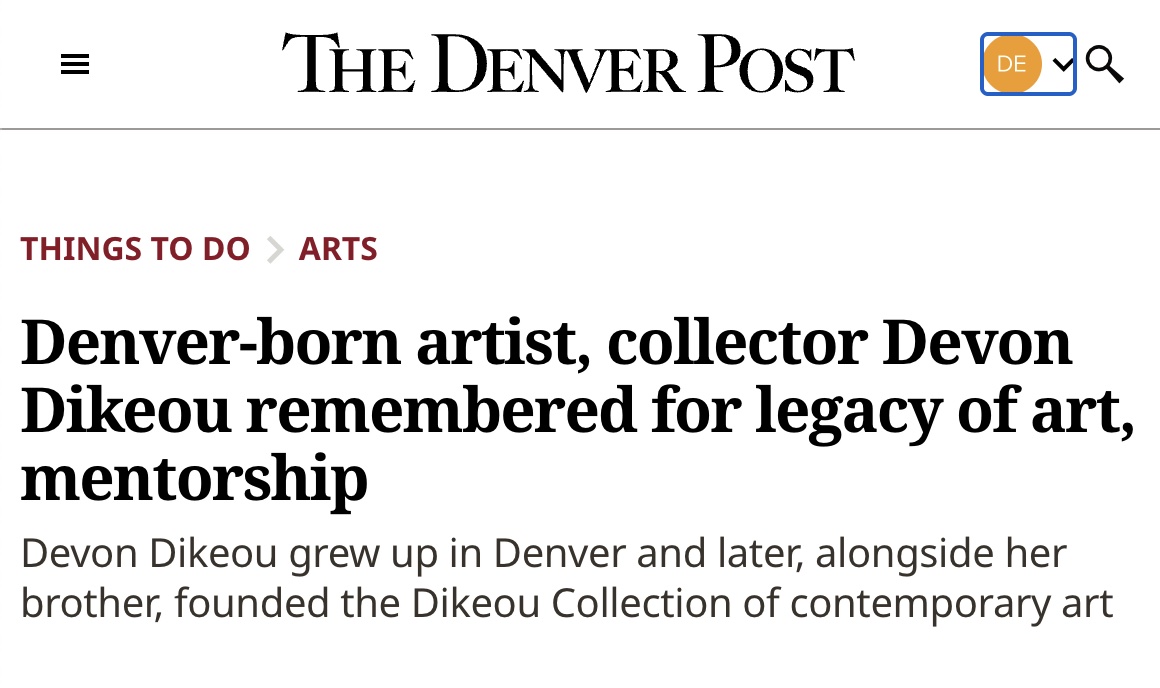
The Denver Post: Devon Dikeou Remembered
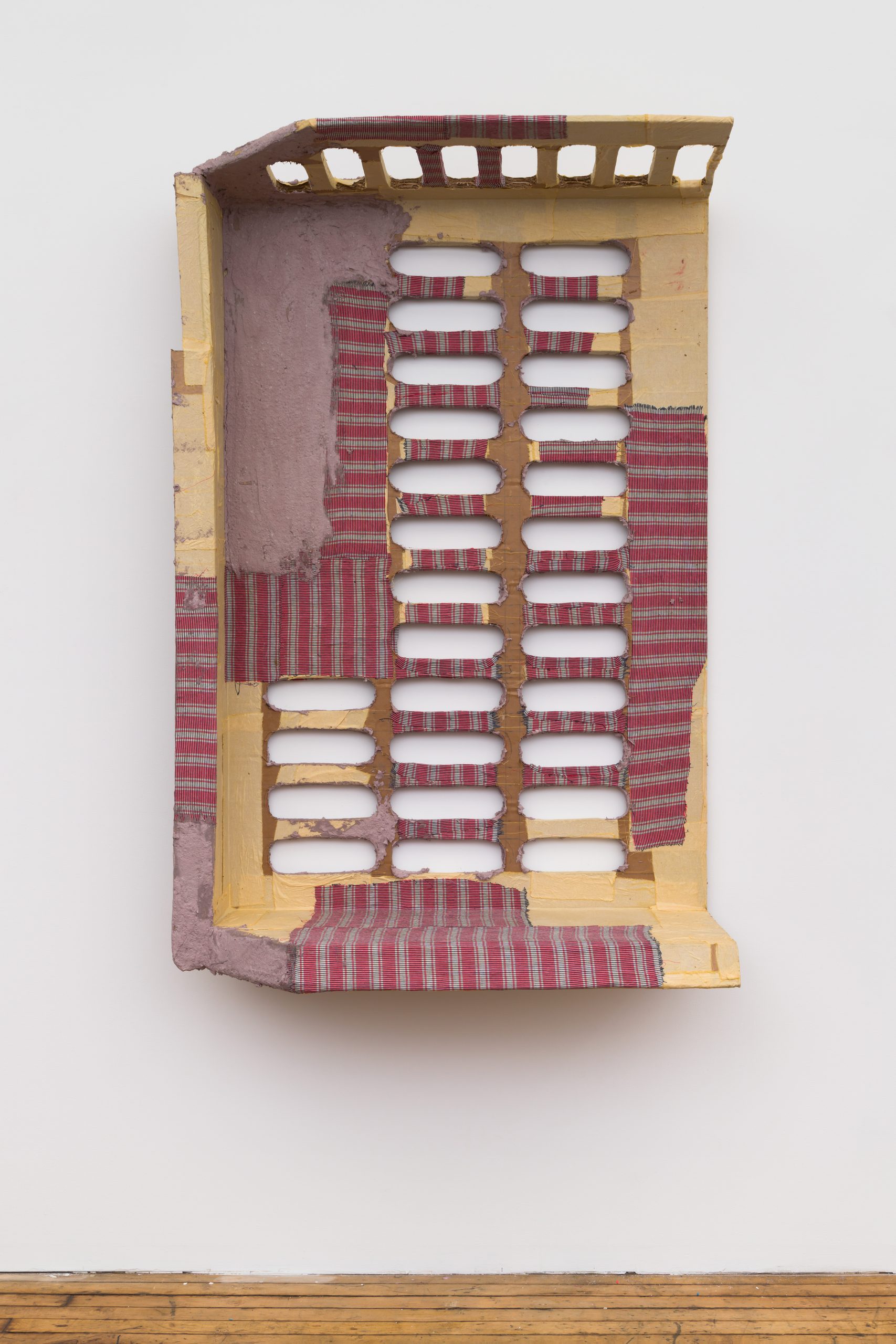
Ester Partegàs has a solo show at Garth Greenan, NYC, November 7-December 19
In Serial Cereal, the artist presents a selection of Minor Architecture drawings, including the sixteen-foot-long, four-panel Minor Architecture (VI). Inspired by Bronze-age megaliths such as the Balearic Island talayots or Sardinian nuraghes, these works depict slices of bread arranged into menhirs, dolmens, and other prehistoric architectural configurations. Evoking domestic intimacy and vast timescales, Partegàs makes a pointed argument about the gendered hierarchies of objects, suggesting that bread—that soft, feminized foodstuff—is as foundational to civilization as stone. Additions of children’s stickers and colored tape, which hold together individual sheets of paper, further emphasize the strength and resilience of the seemingly “minor.”
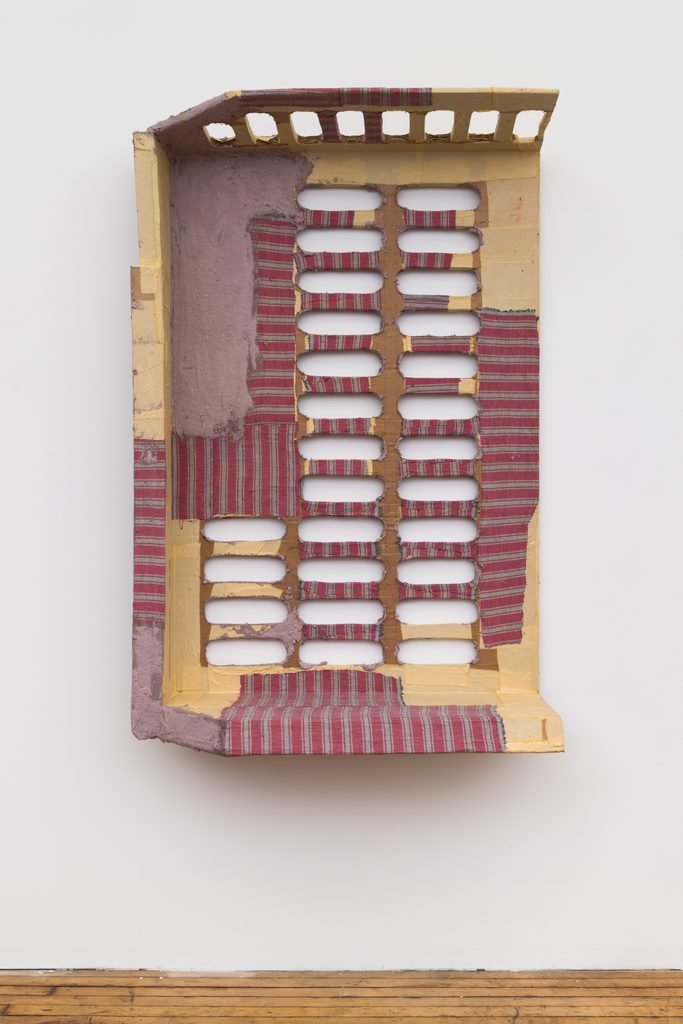
The sculptures in Serial Cereal bring monumental weight to a different overlooked item: the plastic dishrack. In the artist’s hands, this quotidian, mass-produced object—rendered at grand scale in papier-mâché, plywood, fabric, and gypsum—becomes a meditation on domesticity and control. Repetitive bars and geometric lattices suggest an architecture of boundaries, entrapment, and subjection, while the hulking forms, particularly in the floor sculptures, are overpowering, almost domineering. Such associations are nevertheless paired with a palpable sense of fragility. Nestled within these ad-hoc architectures are found or cast objects: kitchen towels, bricks, cereal boxes, trouser pockets, vegetables, books. These objects, rescued from almost-invisible daily routines, highlight the small actions, gestures, and vernacular rituals through which we hold and build life.
Wade Guyton Sculptures at Matthew Marks, NYC, thru January 23.
Guyton’s newest work includes objects made from bronze, aluminum, steel, plaster, plywood, and
carpeting. The sculptures are based on a variety of objects including the counter in the coatroom
of the Carnegie Museum of Art in Pittsburgh; travel frames for his paintings; a Tyvek-wrapped
cardboard tube used to roll his large canvases; 3D images of his sculptures from twenty years ago;
and a display structure left behind when the tile store in his studio building moved out. A group of
recent paintings are also included in the exhibition.
Dan Asher: In The I Of The Beholder extended to December 5 at Martos, NYC
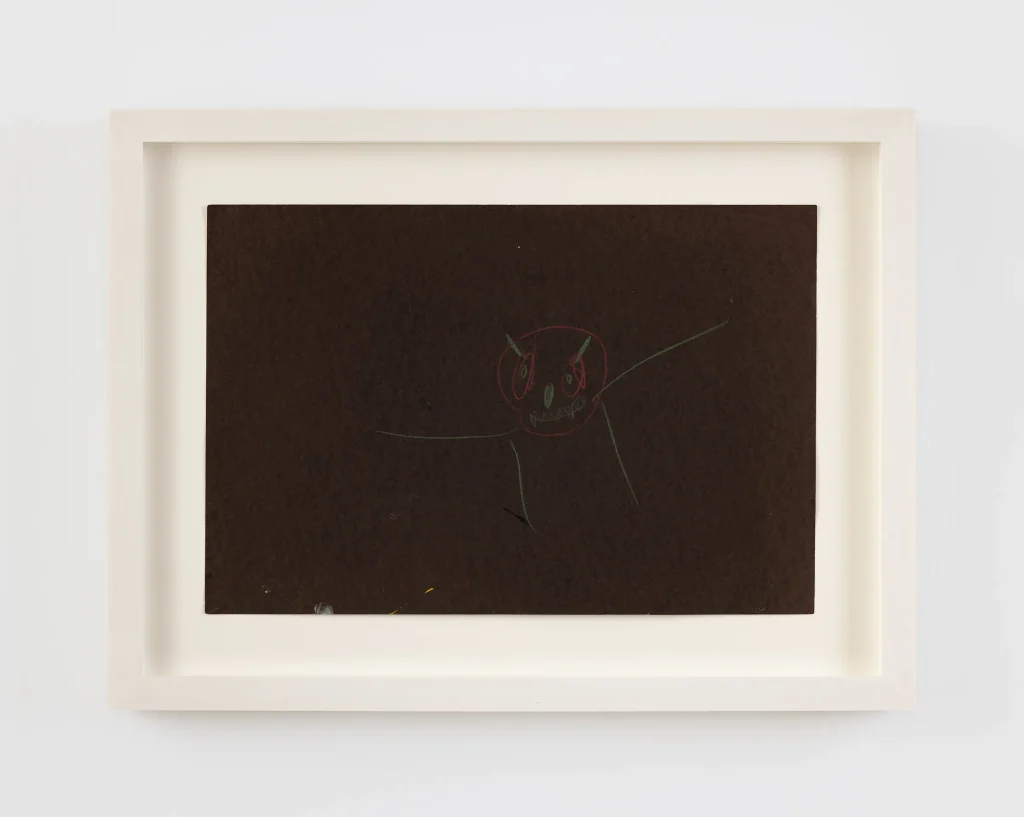
Adventurer/ethnographer, whether on the streets of the East Village or far afield—South America, Asia, Antarctica—a painter, photographer, sculptor, an obsessive draftsman, the artist Dan Asher (1947-2010) was a true force of nature. He possessed a restless energy, an elevated intelligence, well-read, well-traveled, always searching. An iconoclast, a mischief-maker, at times insistently impolite, the sort of figure today’s professionalized art world can’t easily accommodate, he slipped in and out of various scenes to which he was magnetically attracted. He could be alternately chaotic and hyper-focused, compulsive and meditative, all these dualities in the balance, and which also describe his art over five decades. He never conformed to anyone else’s idea of what he should do, how he should behave, or followed a predictable path that would have led to an easier career trajectory. His active mind and mercurial personality were too alive for that, while the bumps in the road were, by all accounts, mostly of his own making. True artists are often their own worst enemies, and Dan was both. But true to oneself and one’s art is what counts in the end.
Josh T Franco published a new book Marfa, Marfa
Marfa, Texas, is a world-renowned art pilgrimage site. When Donald Judd moved there in 1971, he permanently installed works of art in and around the town. Catalyzed by Judd’s presence, the small southwestern town is now home to galleries, arts foundations, festivals, and studios. In Marfa, Marfa, Josh T Franco examines the minimalist frameworks and aesthetic paradigms Judd brought to Marfa and how they intersect with the rasquache sensibilities of the area’s Chicanx, Mexican American, and Catholic communities. Franco draws on his own family history in the town as well as Marfa’s complex history, culture, and memory, analyzing archival documents alongside the arts institutions that gave rise to the town’s identity. Marfa, Marfa employs a decolonial and experimental method to examine minimalist and Chicanx art through objects for public display, local dialects, and domestic observations, ultimately demonstrating Marfa’s unique role as a crossroads for minimalism and rasquachismo.
New Release from Almighty & Insane Books
Our Gay Children: New York City Gay Liberation Marches, 1979-80 by Armando Alleyne (Walk-Up Editions)
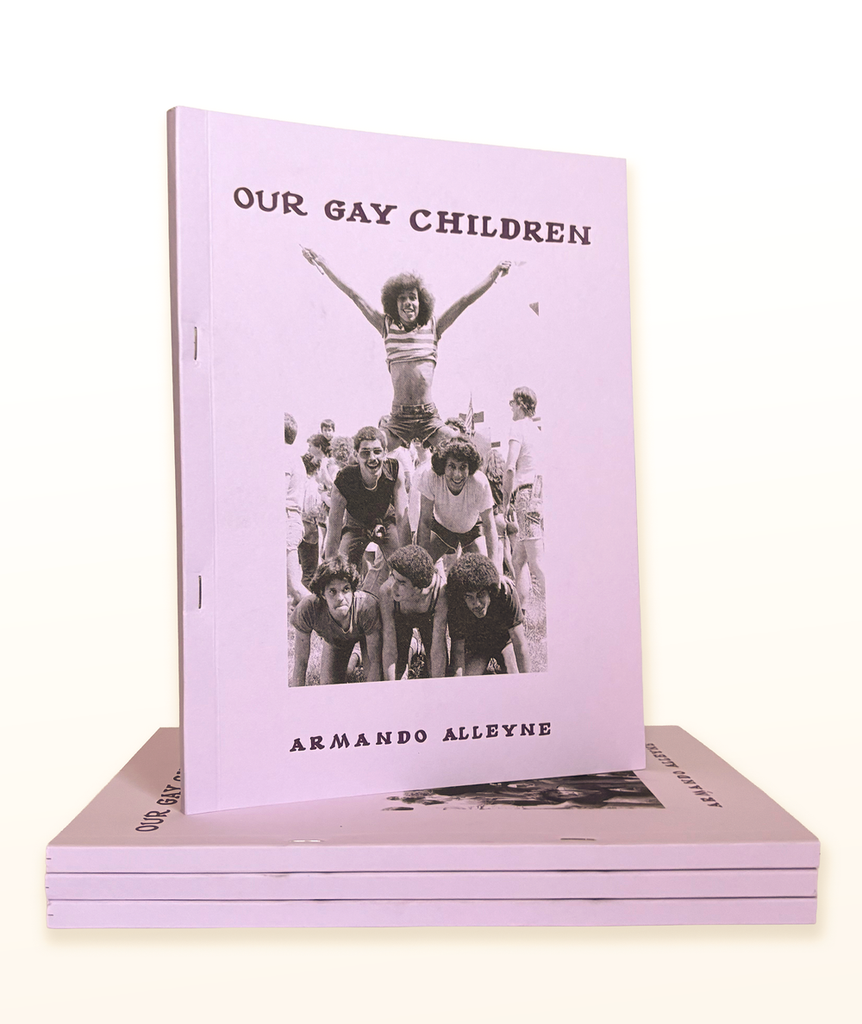
Armando Alleyne is a painter, poet and photographer who grew up on the Lower East Side of New York City. Early experiences of homophobia led Alleyne to find the organization Gay Youth, a group of people like him who offered safety and acceptance. With camera in hand, Alleyne documented his participation in post-Stonewall LGBTQ marches as a twenty-year-old Gay Youth member. These photographs, from June 1979 and 1980, recently surfaced from his “magic file cabinet,” offering both a previously unseen aspect of Alleyne’s practice and a history of politicized LGBTQ organizations, leaders, and community in New York City just prior to the HIV/AIDS epidemic . . .
Sara VanDerBeek was interviewed by the The Art Angle about Guild & Greyshkul
Lizzi Bougatsos was interviewed for Middle Plane No. 13