
letters
zingmagazine’s primary online feature format has been interviews in both conversational and scholarly style between artists, curators, and writers including Al Diaz SAMO©, Patricia Cronin, Walter Robinson, Devon Dikeou, Josh Franco, Leo Tanguma, Anicka Yi, Kenny Schachter, Kenny Scharf, and many others.
In the digital archives, zingmagazine has published oral histories, the occasional review or blog, and listicles when the format was in its day.
ANA MARíA HERNANDO: SEGUIR CANTANDO
zingchat
Ana María Hernando’s exhibition Seguir Cantando at the Museum of Contemporary Art Denver takes its name and inspiration from “Como la cigarra” (“Like the Cicada”)—a song written by Argentine poet and composer María Elena Walsh in 1972.
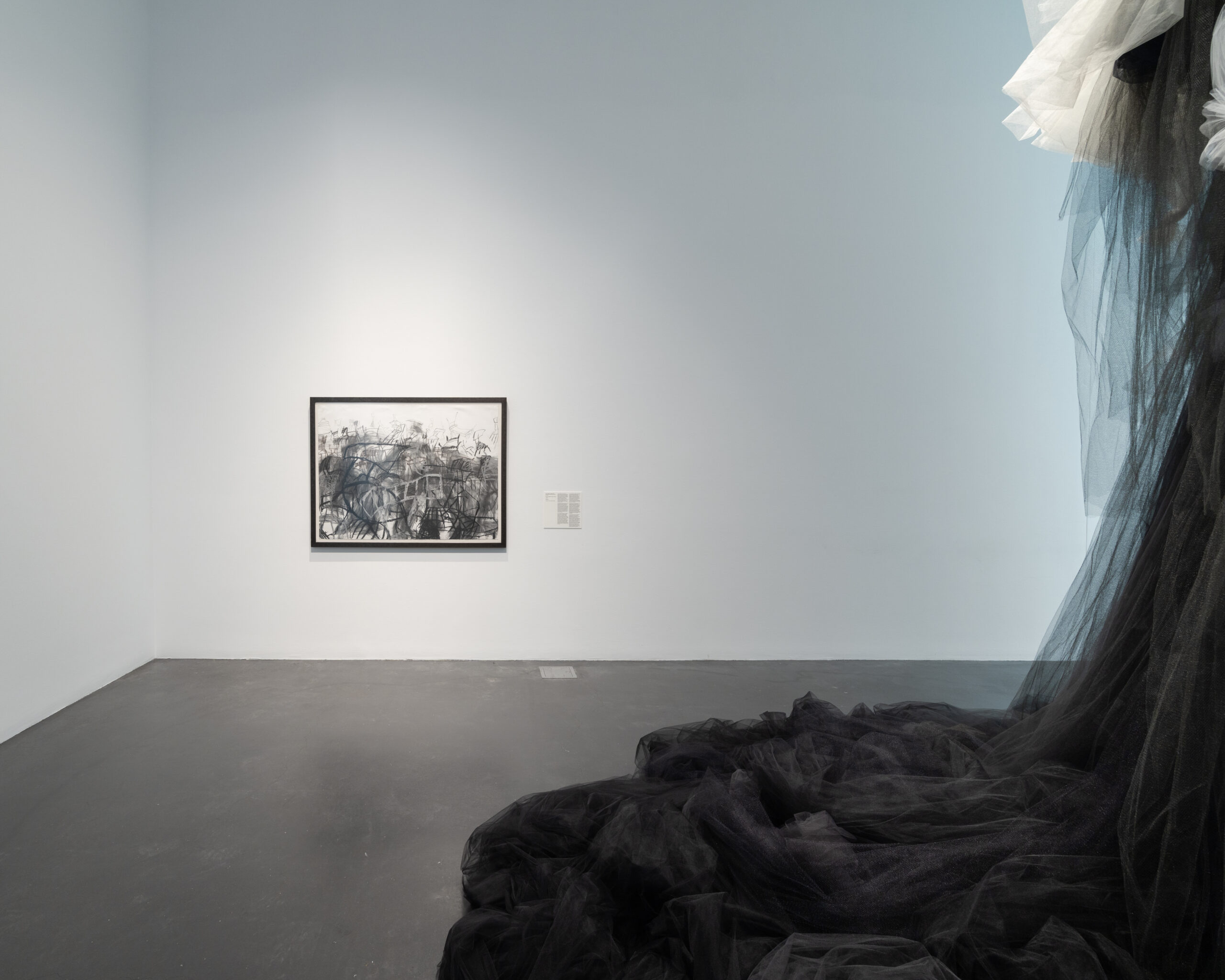
Ana María Hernando’s exhibition Seguir Cantando at the Museum of Contemporary Art Denver takes its name and inspiration from “Como la cigarra” (“Like the Cicada”)—a song written by Argentine poet and composer María Elena Walsh in 1972. Walsh wrote it originally as a song of hope for artists who lose momentum in their careers, but its lyrics—tantas veces me mataron, tantas desaparecí, y seguí cantando (so many times they killed me, so many times I disappeared and I kept singing)—took on new and specific weight after the military coup of March 24, 1976, when General Jorge Rafael Videla overthrew the government of Isabel Perón and launched what the junta called the National Reorganization Process.
Rachel Dalamangas
Denver, Colorado
March 2026
READ ON
Khaled Sabsabi Begins Again
zingchat
The artist behind the Australia Pavilion’s “conference of one’s self” on Tasawwuf speaks with a medievalist scholar and explains why the opening of Attar’s twelfth-century poem matters more than its ending.
Claire Dillon
Venice, Italy
September 2026
READ ON
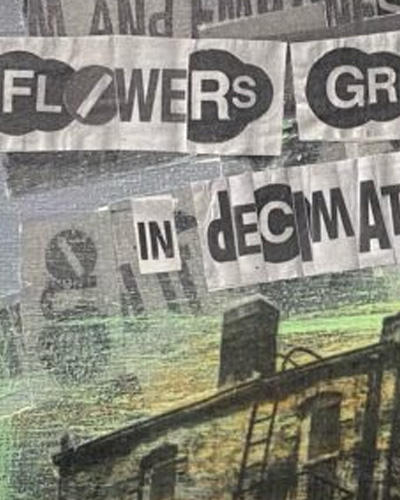
Al Diaz is SAMO©
zingchat
In January 2026, now a full-time artist, dozens of gallery shows, two books, one arrest and a midnight sun later, looking around Al’s Sunset Park studio, the same hand that wrote SAMO© graffiti is undeniable everywhere. Distinct from the shared tag but nonetheless bluntly political and deliriously irreverent. Frenzied color and American iconography.
Rachel Dalamangas
New York, NY
February 2026
READ ON
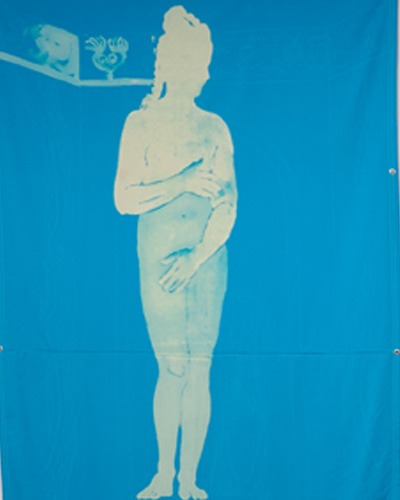
Patricia Cronin’s Army of Love
zingchat
Among the earliest monumental female nudes is Praxiteles’ “Aphrodite of Knidos,” a 4th-century BCE marble statue widely copied and reimagined throughout the ancient world. Ironically, the original was lost to history, surviving only as a ghost haunting countless echoes—from Botticelli’s “The Birth of Venus” to the legendary “Venus de Milo”—thus setting the Western canon for the female form with her sensual contrapposto and suggestive modesty.
Artist Patricia Cronin’s recent body of work joins this long lineage, paying homage to the Goddess of Love, Beauty, and Grace as a heroic figure